The problem support actually solves
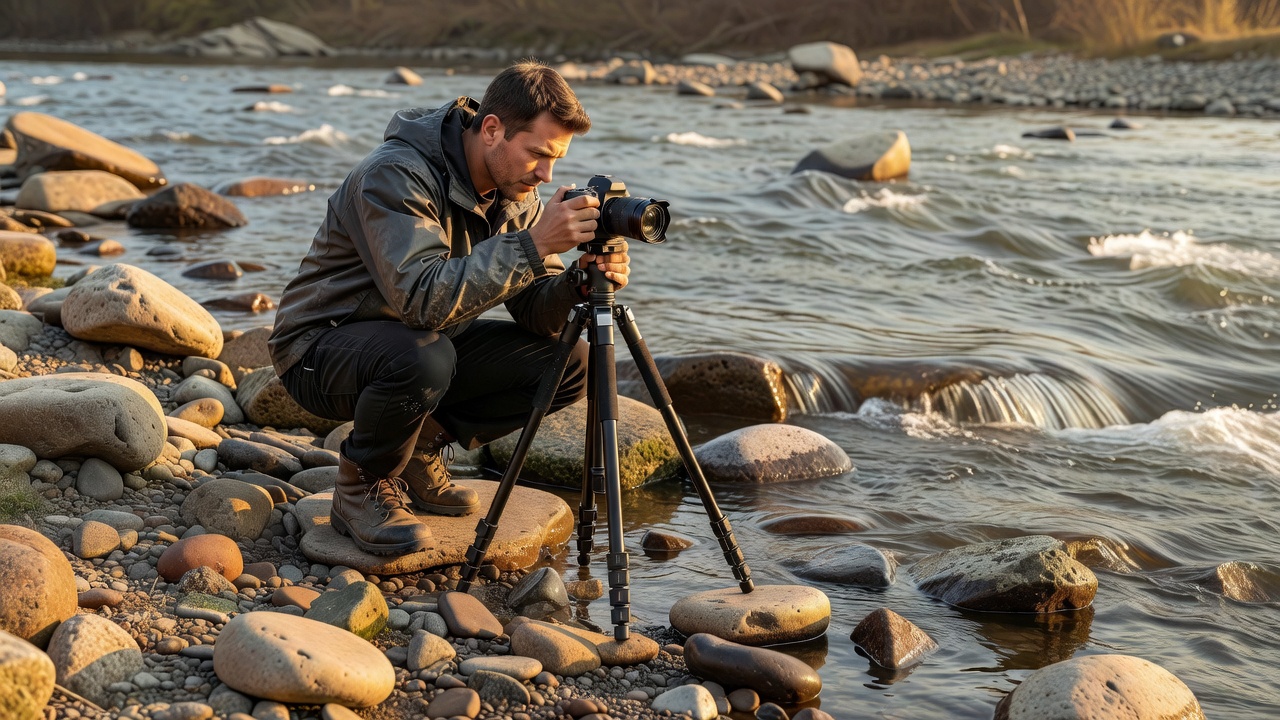
A tripod is not a badge of seriousness. It is a fix for three specific problems: camera movement during long exposures, framing that has to stay identical across several frames, and fatigue when you wait for light or wildlife with a heavy lens. If none of those describe your shooting, modern in-body stabilisation and a steady stance may cover most of what you need.
When those problems do appear, the failure point is rarely the legs alone. A rigid set of legs with an undersized head will still droop under a telephoto lens. A sturdy head on a spindly centre column will still vibrate in wind. Good support is a system: legs, head, plate and the way you set them up.
We also see the opposite mistake. Photographers buy a heavy studio-grade tripod for landscape work, then leave it in the car because it weighs nearly as much as the rest of the kit. The aim here is the lightest support that is stable enough for your heaviest realistic combination, not the heaviest support you can afford.
Compatibility checklist
Run through this before comparing brands. Each line rules products in or out.
Load and balance
- Add camera, heaviest lens, L-bracket and any flash or microphone
- Treat the stated maximum load as a ceiling, not a target; aim well under it
- Front-heavy telephotos need a lens foot or collar on the plate
Plates and threads
- Arca-Swiss style dovetail, or a proprietary system such as Manfrotto RC2
- 1/4"-20 thread for cameras, 3/8"-16 for most heads and legs
- Screw-knob clamps accept more plate widths than lever clamps
Height and length
- Eye-level height without raising the centre column
- Packed length against your bag's tripod straps or side pocket
- Minimum height for close-ups and low foregrounds
Editorial comparison: support types
Ratings below are qualitative editorial judgements based on typical examples of each category, not lab measurements.
| Type | Stability | Carry weight | Setup speed | Best for | Adds little when… |
|---|---|---|---|---|---|
| Travel tripod (aluminium or carbon) | Medium | Low | Medium | Hiking, city trips, mirrorless kits | You routinely use lenses over 400 mm |
| Full-size carbon tripod | High | Medium | Medium | Landscape, telephoto, panoramas | You shoot handheld street or events |
| Monopod | Low to medium | Low | High | Sports, wildlife, video moves | Exposures run longer than about a second |
| Tabletop or flexible-leg tripod | Low | Very low | High | Vlogging, night selfies, compact cameras | Your camera and lens are heavy |
| Clamp or super clamp | Medium | Very low | Medium | Railings, fences, car mounts | There is nothing solid to clamp to |
| Beanbag | Medium | Low (empty) | High | Hides, car windows, ground-level wildlife | You need height or precise levelling |
Heads change how a tripod feels
A ball head is compact and quick, which is why most travel kits ship with one. Its weakness is that loosening one knob frees every axis, so heavy lenses can flop. Look for a separate friction control and a panning base marked in degrees if you stitch panoramas.
A geared head moves each axis by small, repeatable amounts. It is slower but excellent for architecture and product work where verticals must stay true. A gimbal head balances long lenses around their centre of gravity, letting you track birds in flight with little effort. A fluid video head damps pans and tilts for smooth footage.
An L-bracket lets you switch from landscape to portrait orientation without flopping the ball head sideways, keeping the camera over the centre of the legs. Buy one designed for your specific body so the battery door and ports stay reachable.
Selection tree: which support fits your scenario?
Do your exposures regularly run longer than one second?
Yes, and I walk more than an hour to locations
A carbon travel tripod with a ball head rated comfortably above your heaviest combination. Hang your bag from the centre hook in wind.
Yes, and I mostly shoot near the car or indoors
A full-size tripod; the extra weight buys rigidity and height without a centre column.
No, my problem is arm fatigue with a long lens
Subjects move fast and unpredictably
A monopod with a tilt head, or a gimbal on a tripod if you work from one spot.
I work from a hide or vehicle
A beanbag or window mount; often more practical than legs.
No, I need occasional stability on the move
A flexible-leg tripod or a clamp, plus a remote or self-timer. See the triggering guide.
Shortlist principles
Leg sections
Fewer sections are stiffer and quicker; more sections pack shorter. Four is a common compromise for travel.
Locks
Twist locks shed grit and pack slim; flip locks are faster with gloves and show at a glance whether they are closed.
Spare parts
Brands such as Gitzo, Benro, Manfrotto and Really Right Stuff sell replacement feet and lock parts; a repairable tripod outlives a cheaper sealed one.
Next: decide how the tripod travels with you in the carrying guide.